SpaceX Revenue Surges 161%. But Rockets Aren’t Driving the Growth.
AI has overtaken Starlink as SpaceX’s largest revenue business. Behind the surge are massive data centres, cloud computing contracts and an ambitious expansion plan. But can the returns justify the investment?
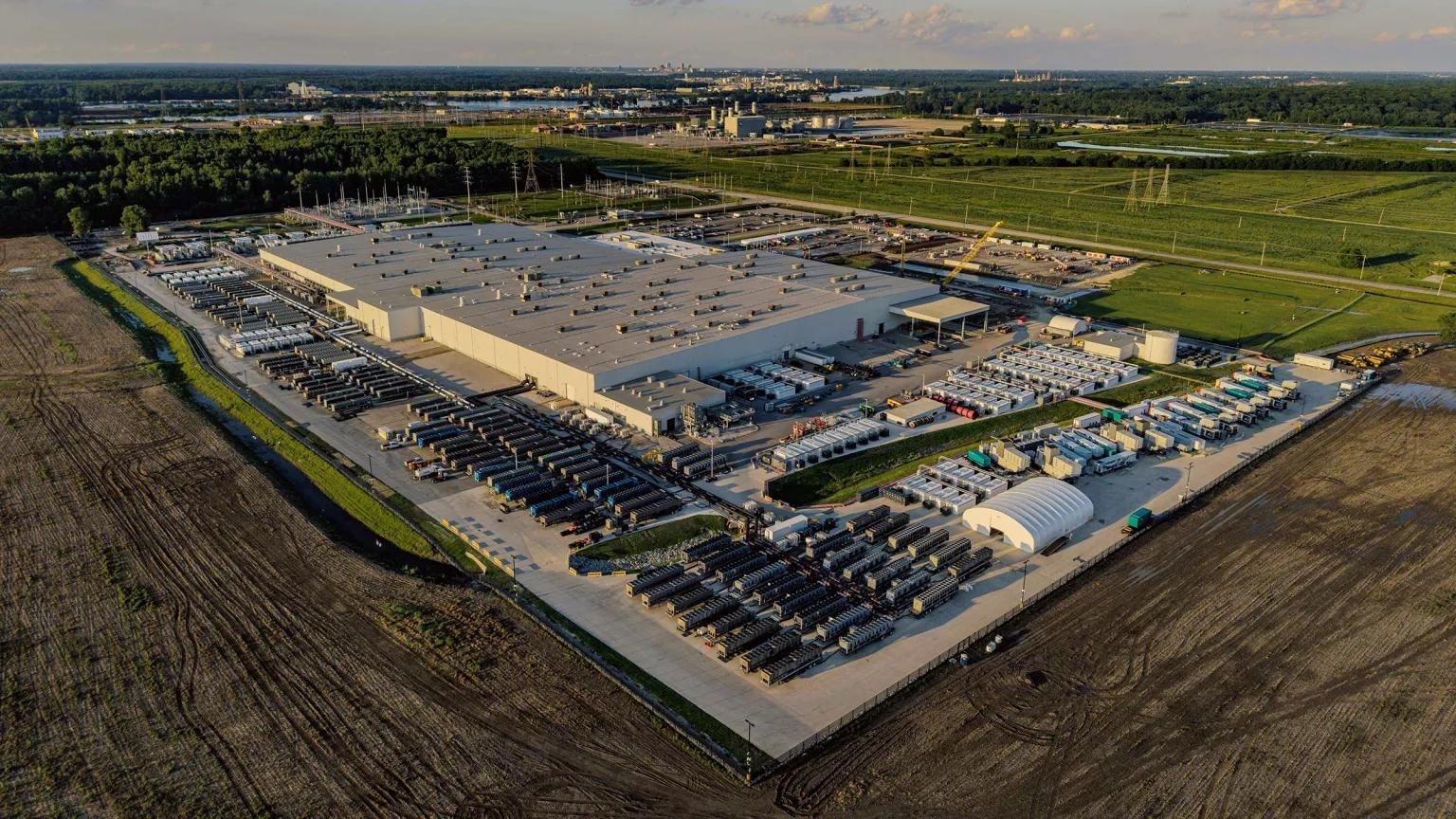
SpaceX has delivered an extraordinary quarter.
Revenue surged 161% year on year to US$14.6 billion in Q3 2026, while net income reached US$4.4 billion, reversing a US$1.1 billion loss a year earlier.
Net income was lifted by items outside day-to-day operations. Operating income, a cleaner measure of the underlying business, was US$2.8 billion, compared with a loss a year earlier.
But the most interesting part of the results isn’t the growth rate. It’s where that growth came from.
For a company synonymous with reusable rockets and satellite launches, artificial intelligence now generates more revenue than Starlink and its other connectivity services combined.
And much of that new business involves something far removed from space exploration: renting computing power to AI companies.
AI Is Now SpaceX’s Largest Revenue Business
SpaceX’s Super Intelligence division generated US$7.6 billion in quarterly revenue, approximately nine times its level a year earlier.
That compares with US$5.2 billion from Connectivity, which includes Starlink, and US$1.8 billion from its traditional Space division.
Revenue by division
Q3 2025 vs Q3 2026, US$ billions
Figures rounded. Year-earlier divisional figures derived from reported growth rates. Source: SpaceX Q3 2026 results.
Of the roughly US$9 billion increase in quarterly revenue from a year earlier, approximately three-quarters came from AI.
So what changed?
SpaceX acquired Elon Musk’s AI company xAI in February 2026, bringing its Grok models, data centres and computing infrastructure into the group. It subsequently acquired Cursor, the AI-powered coding platform, in a transaction valued at approximately US$60 billion.
Together, these businesses have expanded SpaceX into three layers of the AI industry: computing infrastructure, AI models and software applications.
This also means the 161% growth figure partly reflects acquisitions, rather than purely organic growth in its existing businesses.
The Biggest Change: Selling Computing Power
SpaceX is increasingly earning revenue by providing computing capacity to other AI companies.
Training and operating advanced AI models requires enormous numbers of specialised chips, particularly Nvidia GPUs. These need high-speed networking, substantial electricity supplies and sophisticated cooling systems.
Rather than building everything themselves, AI developers can rent that infrastructure from providers such as SpaceX.
Customers include Anthropic, Google and Reflection AI.
One particularly significant agreement involves Anthropic, the company behind Claude, which contracted for access to approximately 325,000 Nvidia GPUs at US$1.25 billion per month, subject to the agreement’s terms. Like most of SpaceX’s computing contracts, it can be cancelled with 90 days’ notice.
This business model is known as neocloud: providing specialised computing infrastructure to companies developing and operating AI systems.
And where is all this computing power coming from?
Much of it is housed in Colossus, a network of supercomputing facilities in Memphis, Tennessee, and neighbouring Southaven, Mississippi.
Colossus I was built inside a repurposed factory, while the larger Colossus II campus is being developed to support further expansion.
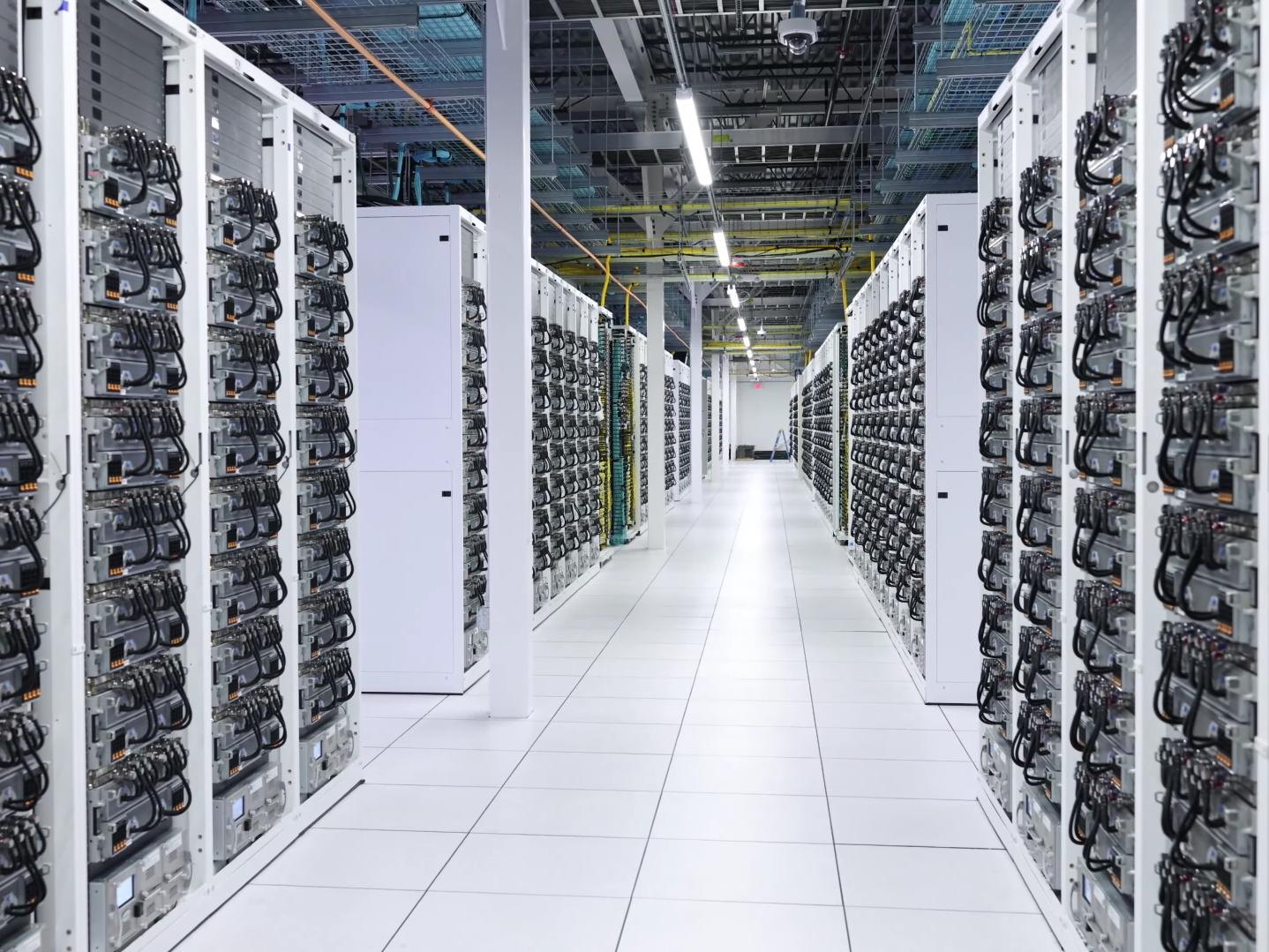
These facilities house hundreds of thousands of Nvidia GPUs, alongside the power, cooling and networking infrastructure needed to operate them.
Despite SpaceX’s longer-term ambitions for orbital data centres, the computing infrastructure generating today’s AI revenue is still firmly on Earth.
Space-based computing remains a future opportunity, not an established contributor to the company’s latest earnings.
How Fast Can SpaceX Scale?
SpaceX’s expansion plans are almost as striking as its revenue growth.
At the end of September, the company reported approximately 1.7 gigawatts of nameplate computing capacity.
Management expects this to reach 2.5–3 gigawatts by the end of 2026, with ambitions to add approximately 10 gigawatts during 2027.
Elon Musk said he would be surprised if capacity was below 13 gigawatts by the end of 2027, nearly eight times September’s reported level.
Computing capacity, gigawatts
Reported and targeted nameplate capacity
Targets are management guidance and subject to power, equipment and execution constraints. Source: SpaceX Q3 2026 earnings call.
But building data centres isn’t simply a matter of purchasing more GPUs.
SpaceX must secure electricity, cooling systems, networking equipment and regulatory approvals. Bringing infrastructure online also doesn’t guarantee that every available GPU will immediately generate revenue.
Power availability, in particular, could become a significant constraint as AI companies compete for access to electricity.
The expansion targets are ambitious, and investors will need to distinguish between installed capacity and computing power that is actually operational and earning revenue.
Starlink Remains the Profit Engine
While AI has overtaken Starlink in revenue, the satellite connectivity business remains a major source of profitability.
SpaceX’s Connectivity division generated US$5.2 billion in revenue, up 69% year on year, and US$2.4 billion in operating income.
Its consumer subscriber base reached 13.6 million, including 1.6 million new subscribers during the quarter, although that was below the roughly 2.3 million analysts had expected.
Beyond residential internet, Starlink continues to expand into aviation, enterprise services and government communications. More than 3,800 aircraft had Starlink installed by the end of September.
Meanwhile, the traditional Space division generated US$1.8 billion in revenue, growing just 6%. The quarter did include a milestone: Starship’s first revenue-generating mission, which delivered 26 Starlink V3 satellites into orbit.
Rocket launches are no longer the main driver of SpaceX’s financial growth, but they remain strategically important. SpaceX’s ability to launch its own satellites gives Starlink a competitive advantage in deploying and expanding its network.
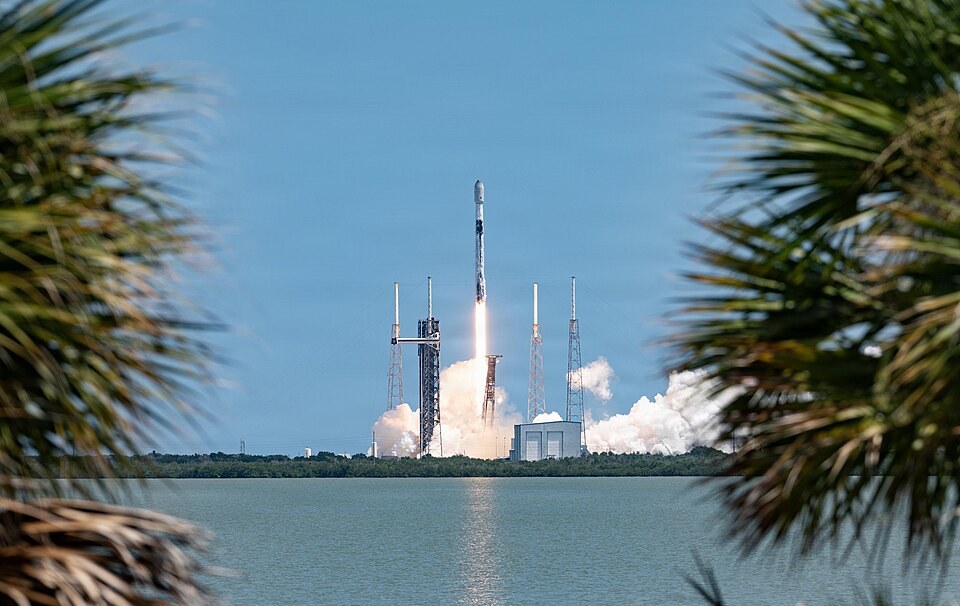
The company now has three distinct businesses: space launches, satellite connectivity and AI infrastructure and software.
The Cost of Growing This Fast
SpaceX’s AI expansion comes with an enormous price tag.
The company spent US$19.6 billion on capital expenditure during the third quarter, including US$16.4 billion on its Super Intelligence business.
That’s more than SpaceX’s entire quarterly revenue. And spending is set to accelerate: SpaceX expects fourth-quarter capital expenditure of US$35–40 billion, roughly double the third quarter’s.
Spending vs revenue
US$ billions
Source: SpaceX Q3 2026 results and earnings call.
The encouraging development is that the AI division generated US$431 million in operating income, compared with losses previously. That figure is after US$1.2 billion of stock-based compensation linked to the Cursor acquisition; excluding it, operating income was about US$1.6 billion. But operating profitability is not the same as positive free cash flow.
Building data centres requires substantial upfront investment, and SpaceX must generate enough future cash flow to justify that spending.
Competition is also intensifying. Cloud giants and specialised AI infrastructure providers are investing heavily in computing capacity, raising questions about future pricing, utilisation and returns.
For investors, the opportunity and risk are closely connected.
SpaceX is expanding into a rapidly growing market with significant demand for AI computing power. But the faster it builds, the more capital it commits before those facilities have demonstrated their long-term returns.
THE EDIT
SpaceX’s 161% revenue growth is remarkable. But the more important development is how dramatically its business has changed.
Rockets built the foundation. Starlink established a profitable connectivity business. Now, AI infrastructure and software have become its largest source of revenue.
The next phase will depend on how quickly SpaceX can expand computing capacity, secure customers and generate sustainable returns on its investment.
SpaceX has demonstrated that it can grow revenue at extraordinary speed. The next test is whether it can turn its enormous AI infrastructure investments into lasting profits.
Figures reflect SpaceX’s Q3 2026 results and management guidance. Forward-looking targets are subject to execution risks. This article is for general information and education, not personalised investment advice.
The Daily Edit.
Five things investors in Asia need to know before markets move.
Join a growing community of investors and ambitious thinkers.


