What It Really Costs to Do an Ironman
Race entry is the cheapest part. Here’s what a first Ironman really costs a Singapore athlete in money, hours and weekends, and how to do it for less.
TL;DR
- Budget about S$6,000 to S$18,000. A typical first Ironman from Singapore costs around S$9,000. Race entry is only about S$1,200 of that.
- Time is the bigger cost. Expect 350 to 500 training hours in the year, with peak weeks of about 12 to 13 hours.
- There’s a cheaper way in. A used bike, a training club and a step-by-step build from shorter races can roughly halve the bill.
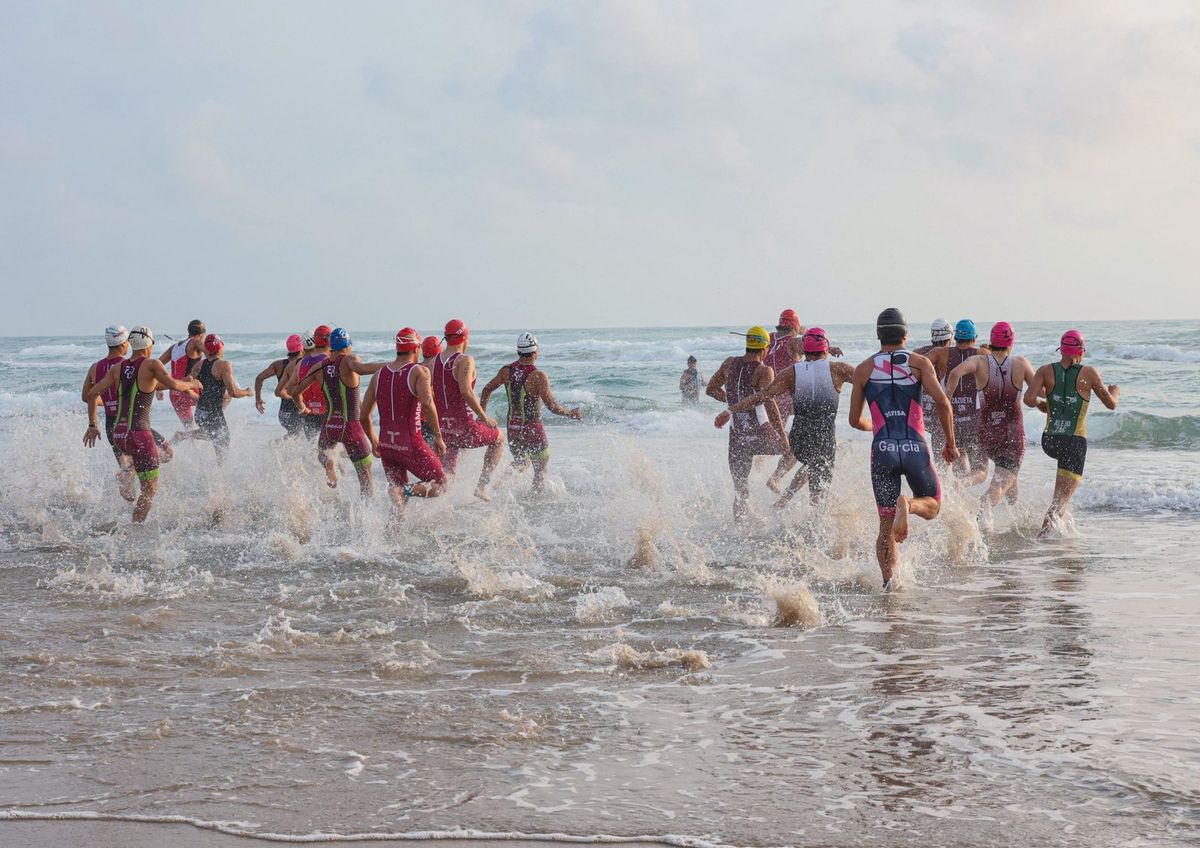
In just over two weeks, on Saturday 21 November, athletes will line up in Langkawi for IRONMAN Malaysia: a 3.8km swim, a 180km bike ride and a 42.2km run, all in one day. [1]
For many Singaporeans, Langkawi is the obvious first Ironman. It’s a short flight away, and the half-distance IRONMAN 70.3 runs on the same day. [1]
But anyone who has done one will tell you the same thing: the entry fee is the cheapest part.
The Price of the Start Line
IRONMAN Malaysia’s entry fee starts at RM3,770, or about S$1,200, and rises as each price tier sells out. [2, 3]
That is roughly in line with full-distance races elsewhere, where entry fees mostly range from about US$720 to US$990. [2]
The real spending happens long before race day.
What a First Ironman Really Costs
Here is what a first Ironman from Singapore might cost at three levels of spending.
| Frugal | Typical | Going all in | |
|---|---|---|---|
| Race entry | S$1,200 | S$1,200 | S$1,200 |
| Bike and kit | S$1,500 | S$3,000 | S$8,000 |
| Coaching, nutrition and physio | S$2,000 | S$3,000 | S$5,000 |
| Servicing, shoes and other extras | S$500 | S$800 | S$1,500 |
| Race trip: flights, hotel, bike transport | S$800 | S$1,200 | S$2,000 |
| Total | S$6,000 | S$9,200 | S$17,700 |
Illustrative estimates for a first-timer racing in Langkawi. Actual costs vary widely.
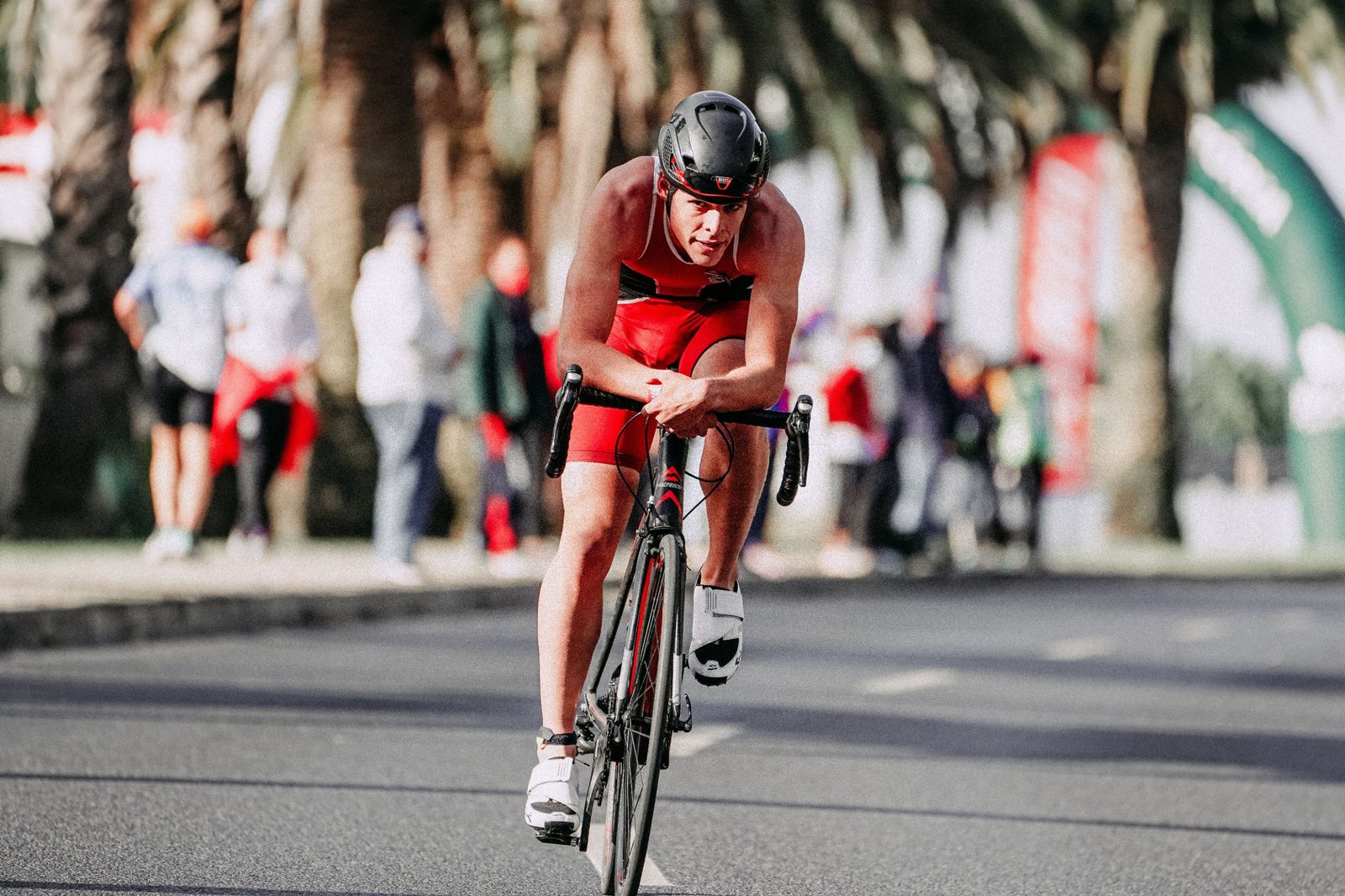
Bike and kit. This is where budgets diverge most. A good used road bike can be found for under S$1,000 on Singapore marketplaces, [4] while a new entry-level road bike typically costs S$800 to S$1,500. A dedicated triathlon bike starts at around S$7,000. Helmets, cycling shoes, a bike fit, a tri suit and running shoes add to the total.
Coaching, nutrition and physio. Over roughly nine months of preparation, a group programme or a personal coach, plus energy gels, sports drinks and the occasional physio visit, typically adds S$2,000 to S$5,000.
Race trip. Singapore has no full-distance Ironman, so most athletes fly. Flights to Langkawi are usually inexpensive, but race week adds several nights’ accommodation, bike transport or a bike box, and often a support crew.
The Hidden Costs
Some costs only show up once you’ve started.
- Servicing. Hundreds of training kilometres wear out chains, tyres and brake pads.
- Running shoes. They wear out every few hundred kilometres, so expect to buy more than one pair.
- Pool fees. Regular swimming adds up over nine months, especially at private pools.
- Fuel. Long rides and runs need gels, bars and drinks, every weekend.
- Bike transport. Airlines charge for sports equipment, and a hard bike case is an extra purchase or rental.
The Biggest Cost Is Time
Money is only half the price.
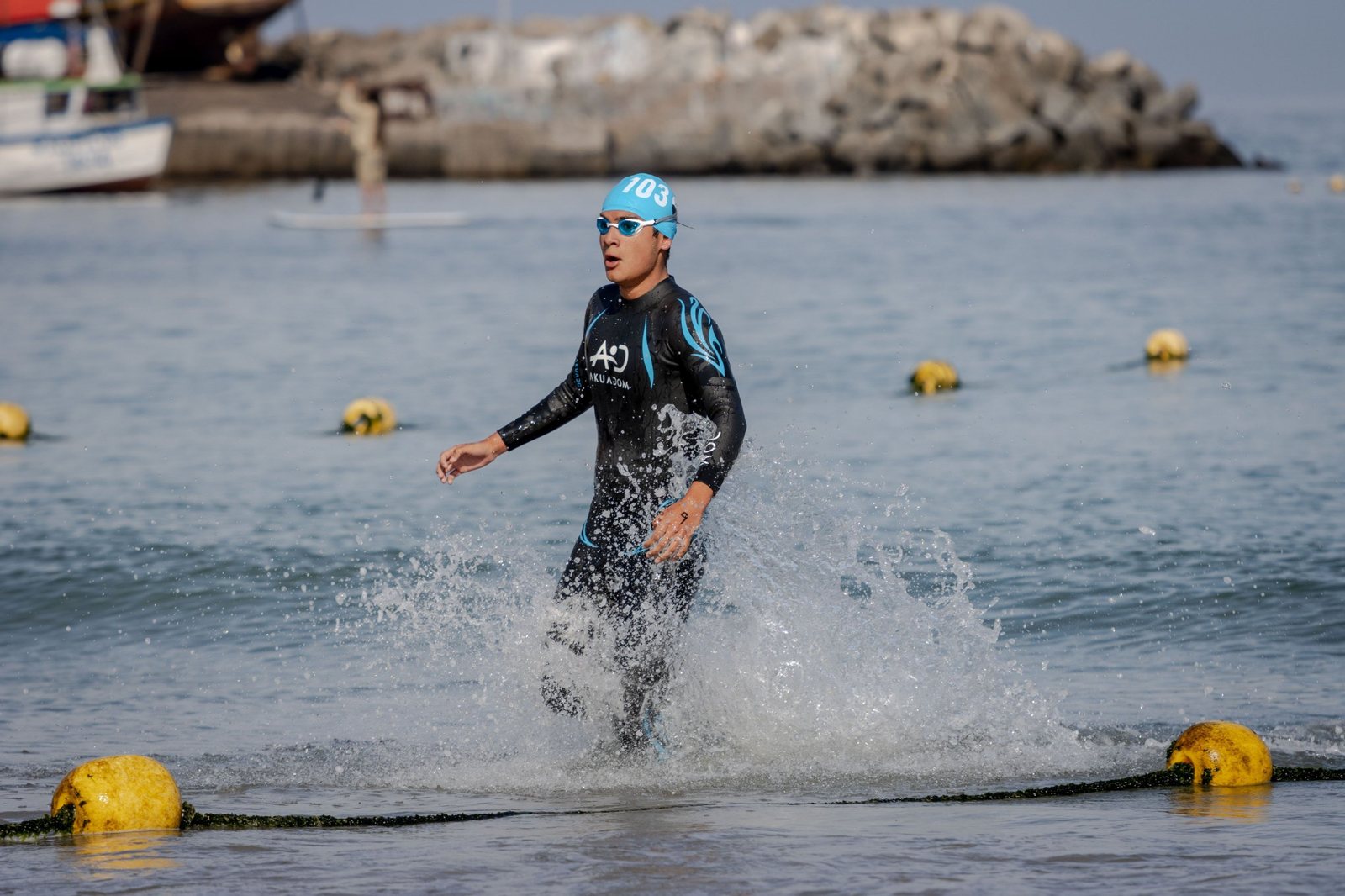
According to Triathlete magazine, someone aiming simply to finish an Ironman typically trains 350 to 500 hours a year. A mid-pack athlete trains about 12 to 13 hours a week at peak. [5]
Here is what one peak week might look like:
| Day | Session | Hours |
|---|---|---|
| Monday | Rest | 0 |
| Tuesday | Swim before work, run after work | 2 |
| Wednesday | Indoor bike session | 1.5 |
| Thursday | Swim before work, run after work | 2 |
| Friday | Rest or easy swim | 0 |
| Saturday | Long ride | 5 |
| Sunday | Long run | 2 |
| Total | 12.5 |
Illustrative peak training week. Actual plans vary by athlete and coach.
That is the equivalent of a part-time job, on top of a full-time one.
Put the money and the hours together, and a typical S$9,200 budget works out to about S$23 for every training hour, or roughly S$41 for each of the race’s 226 kilometres.
training hours in the year for a first-time finisher
per training hour, on a typical S$9,200 budget
per kilometre of the 226km race
The harder costs to count are the ones you give up: early alarms, Saturday mornings spent on the bike rather than with family, leave days for race week, and arranging childcare around long sessions.
The expensive bike is visible. The hundreds of hours you invest in becoming someone capable of covering 226km aren’t.
Who Does Ironman?
Ironman has long attracted people with the means to pay for it.
A 2015 survey for Ironman’s organiser found that participants had an average household income of US$247,000, about double the US$126,000 for triathletes overall. [6]
The figures are dated, but the point holds: an Ironman takes money, time and flexibility, and those are often easier for higher-income households to find.
How to Do It for Less
Buy used. A second-hand road bike with clip-on aero bars is enough for a first Ironman. Save the triathlon bike for later, if you stay in the sport.
Join a club. Group training is cheaper than a personal coach, and it adds company for the long weekend sessions.
Borrow or rent. Bike boxes, wetsuits and race wheels can often be borrowed from club-mates or rented.
Race close to home. Langkawi keeps travel costs low compared with races in Australia, Europe or the US.
Build up step by step. Each race teaches you what you need, and stops you from buying gear you won’t use:
- Sprint triathlon750m swim, 20km bike, 5km run
- Olympic distance1.5km swim, 40km bike, 10km run
- IRONMAN 70.31.9km swim, 90km bike, 21.1km run
- Full IRONMAN3.8km swim, 180km bike, 42.2km run
THE EDIT
An Ironman doesn’t have to cost S$15,000. With a used bike, a club and a race nearby, a first-timer can get to the start line for around S$6,000.
But the real price isn’t in the receipts. It’s the 400 or so hours of training, and the mornings, weekends and family time that go with them.
Before signing up, it’s worth asking not just “Can I afford it?” but “Can I afford the time?”
The finish line is the reward. The months of quiet discipline it takes to get there are the real investment.
The Daily Edit.
Five things investors in Asia need to know before markets move.
Join a growing community of investors and ambitious thinkers.


